
Office Address
Dhanmondi, Joypurhat-5900
Phone Number
+8801719454941
Dhanmondi, Joypurhat-5900
+8801719454941








 by Rosalina William
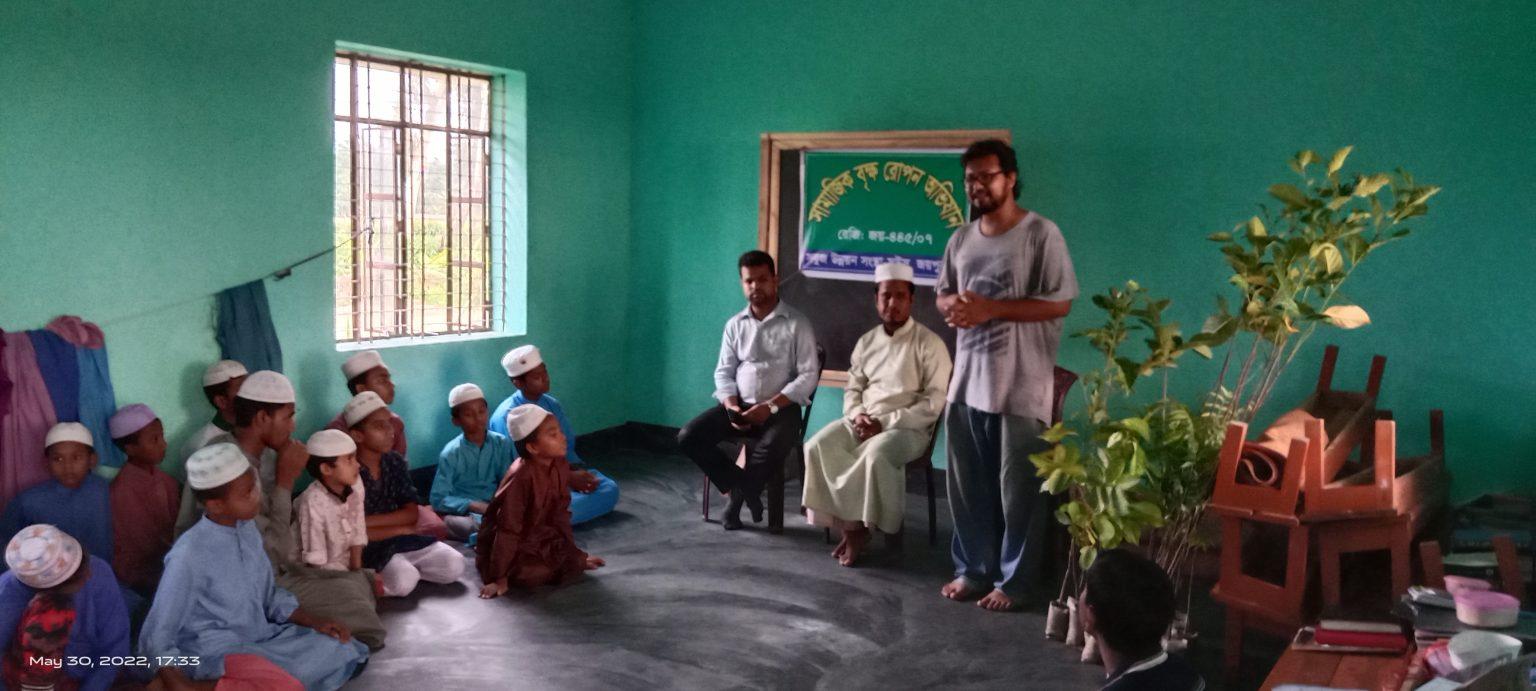
Climate action is a collective effort to mitigate and adapt to climate change, mainly caused by human activities, especially greenhouse gas emissions. This global challenge poses significant threats to our environment, economy and society. Addressing climate change is critical to ensuring a sustainable future for all life on Earth. We have been continuing tree plantation movements through our village organizations within multi-diversified communities from our own funds collected from our members.
Key aspects of climate action include:
Mitigation:
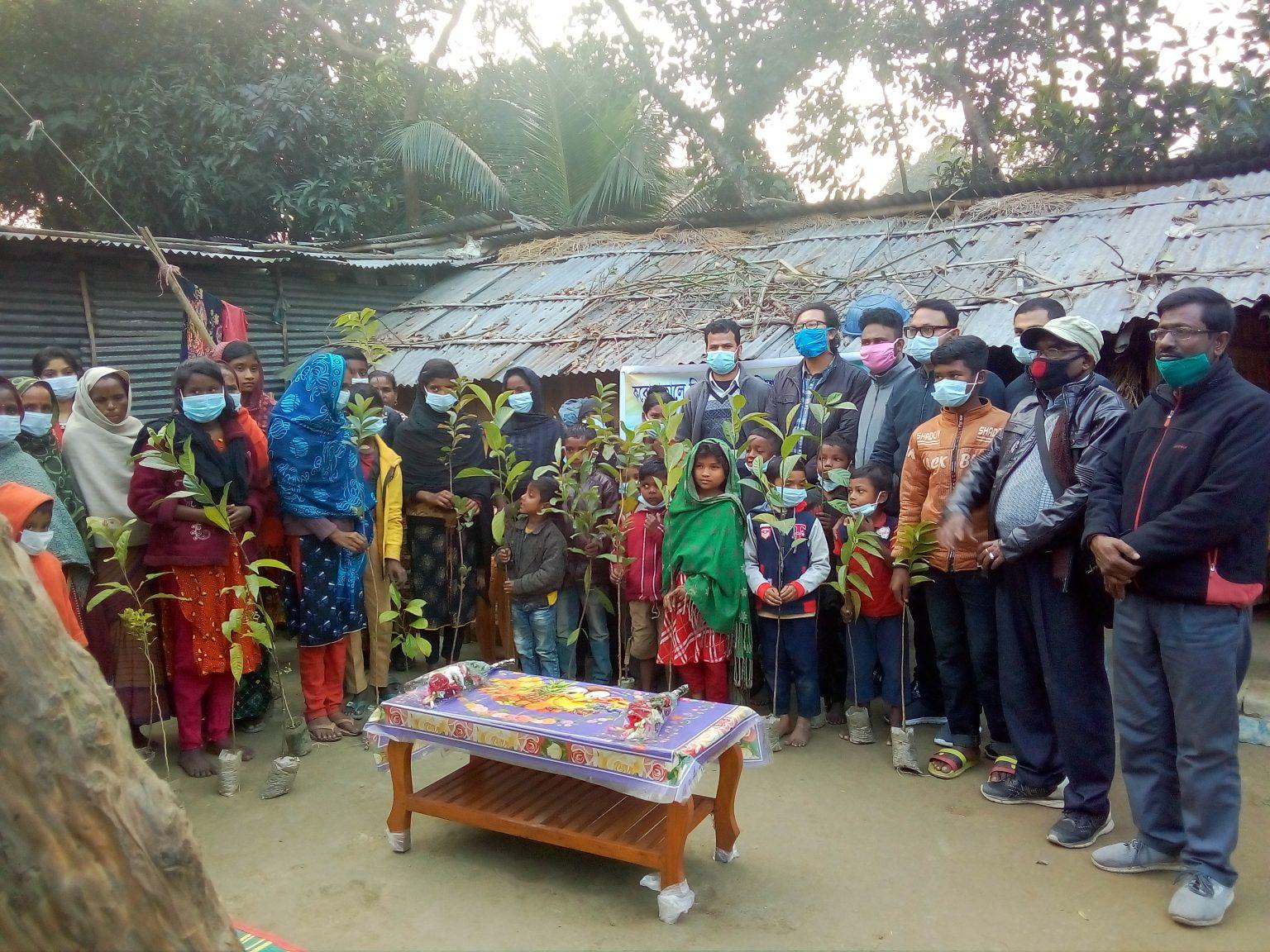
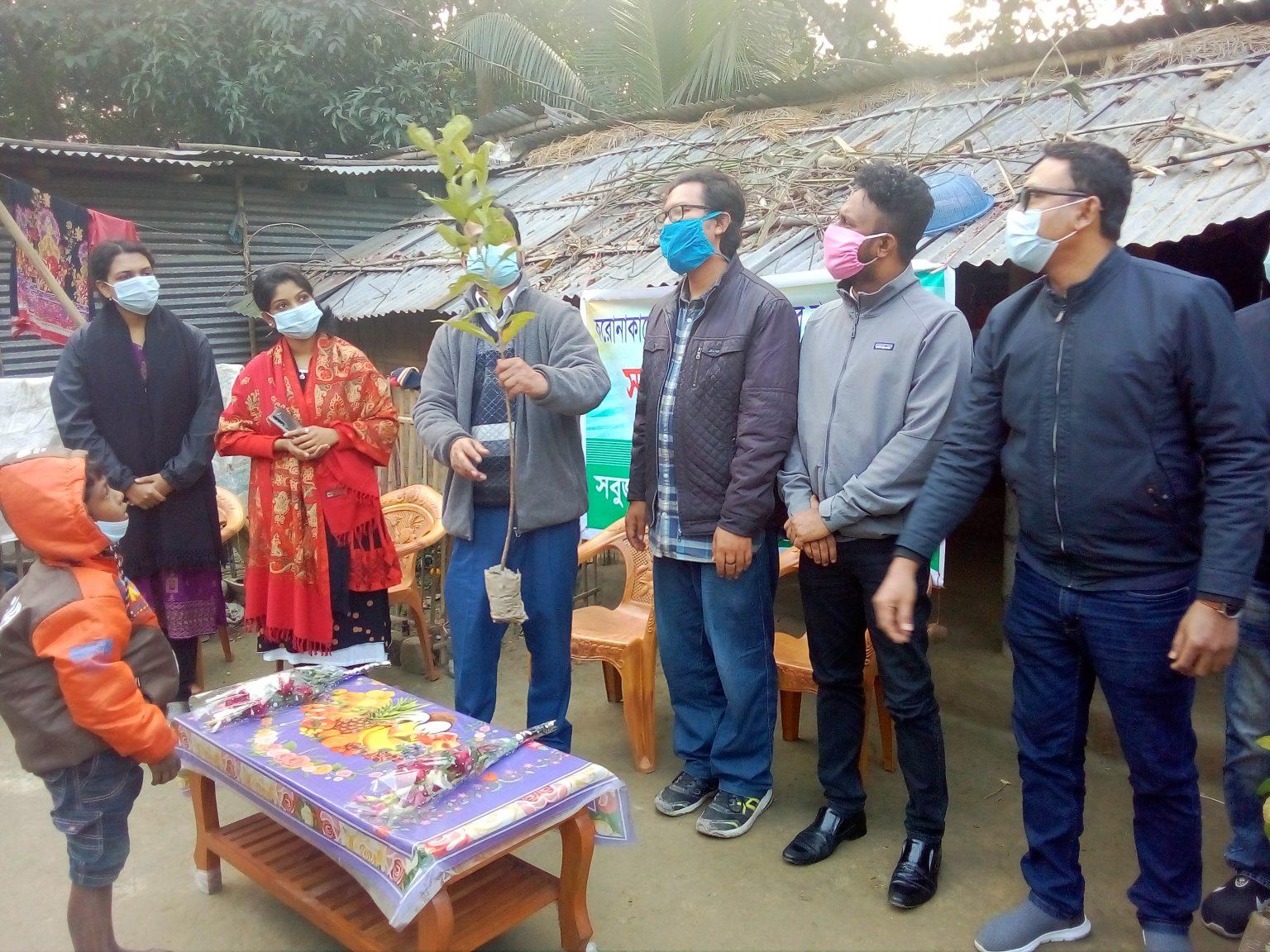
This involves reducing greenhouse gas emissions to limit global warming. Efforts include transitioning to renewable energy sources, improving energy efficiency and promoting sustainable transportation. Mitigation measures aim to keep global temperature rise below 2 degrees Celsius, as stipulated in the Paris Agreement, with the aim of limiting it to 1.5 degrees Celsius to avoid catastrophic consequences.
Adaptation:
The impacts of climate change are already being felt, making adaptation necessary. Communities and governments must prepare for more frequent and extreme weather events, rising sea levels and changing rainfall patterns. This includes building resilient infrastructure, protecting ecosystems and developing climate-resilient agricultural practices.


Policies and regulations:
Governments play a key role in climate action by adopting and enforcing policies and regulations that reduce emissions. Initiatives could range from carbon pricing mechanisms to clean energy deployment mandates. The aim is to create a framework that incentivizes sustainable activities and penalizes carbon-intensive activities.
Shared responsibility:
Businesses increasingly recognize the importance of addressing climate change. Many are setting ambitious sustainability goals, investing in renewable energy and adopting more environmentally friendly measures to reduce carbon emissions.
Global cooperation:
Climate change is a global issue that requires international cooperation. Treaties like the Paris Agreement seek to unite countries in the fight against climate change. Global conferences, such as the United Nations climate change conference, provide a platform for countries to negotiate and cooperate on climate policies.
Personal action:
Individuals can also contribute to climate action. Reducing energy consumption, using public transport and making sustainable choices in everyday life can have a significant impact. Supporting and advocating for climate-friendly policies and practices is also essential.
Innovation and technology:
Technological advances, from electric vehicles to carbon capture and storage, are essential to achieving climate goals. Innovation can make clean energy more accessible and affordable, supporting the transition away from fossil fuels.
Education and Awareness:
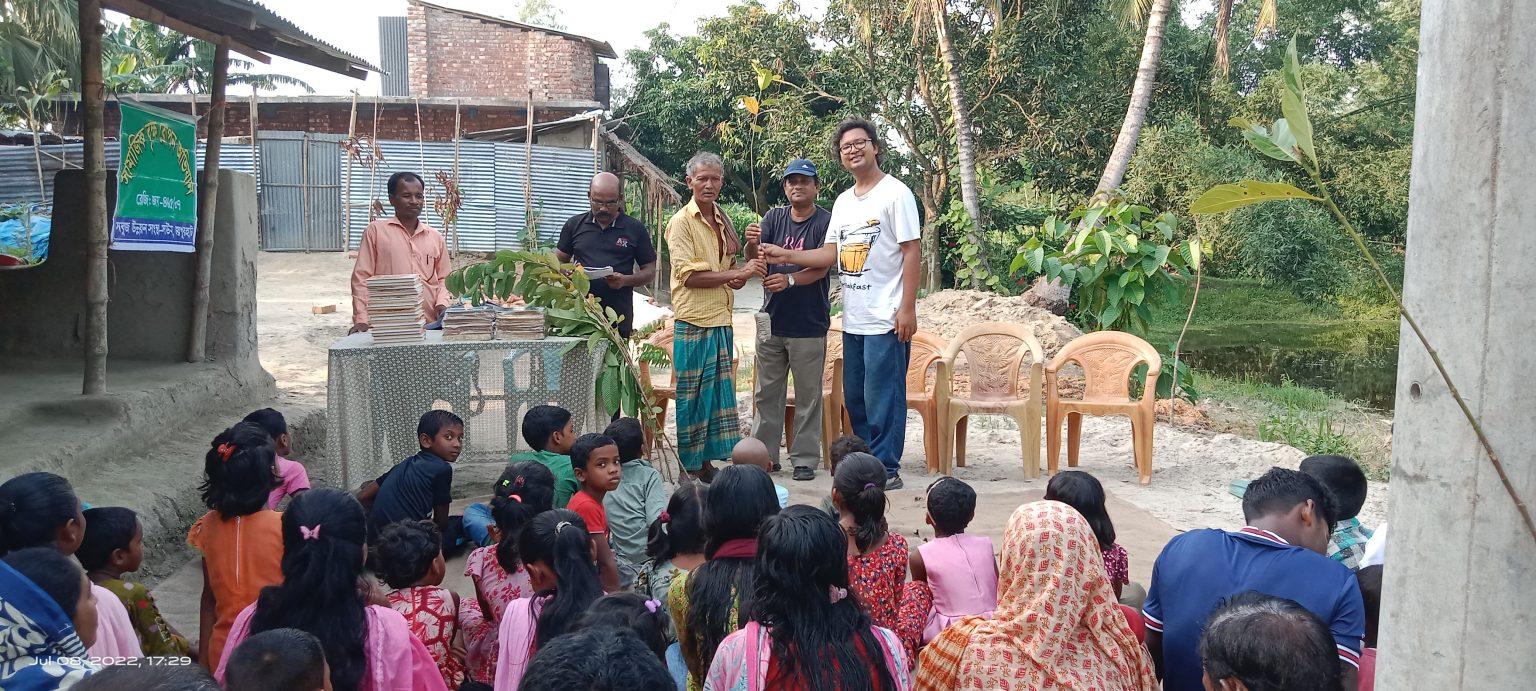
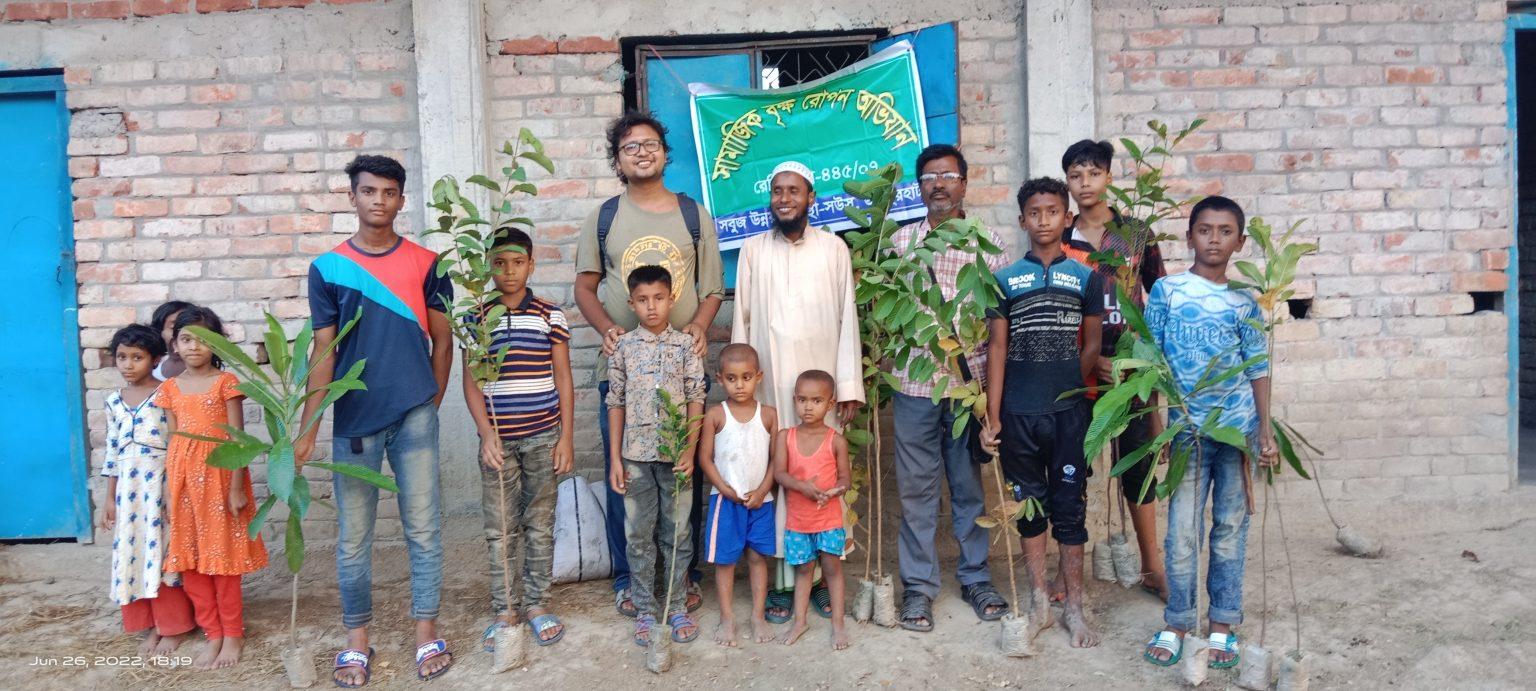

It is important to raise awareness and educate the public about climate change. Informed citizens are more likely to support climate action and make more environmentally friendly choices.

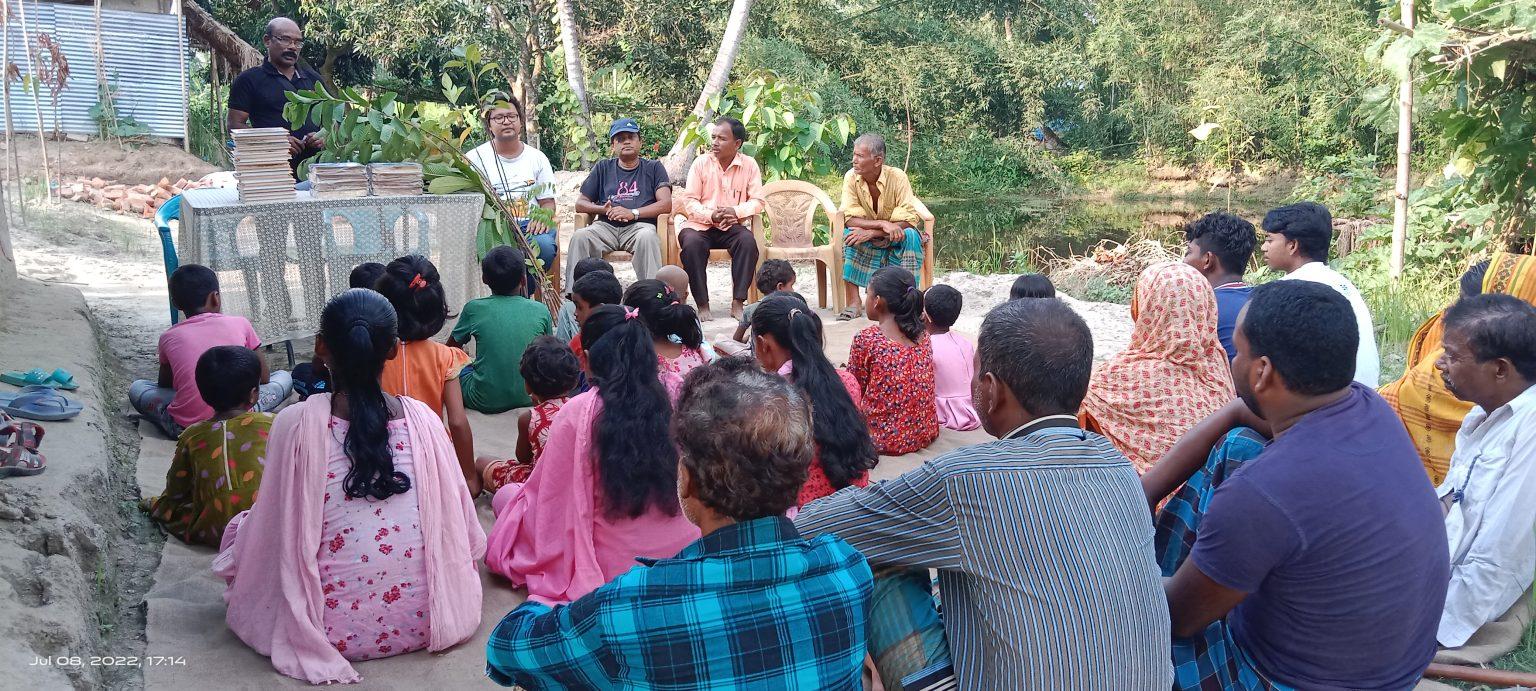
The urgency of climate action cannot be overstated. To address these challenges, individuals, governments, businesses and organizations must work together, demonstrating a shared commitment to reducing emissions and building a more sustainable and resilient future for our crystal.